
What the CFTC Wants to Know About Prediction Markets
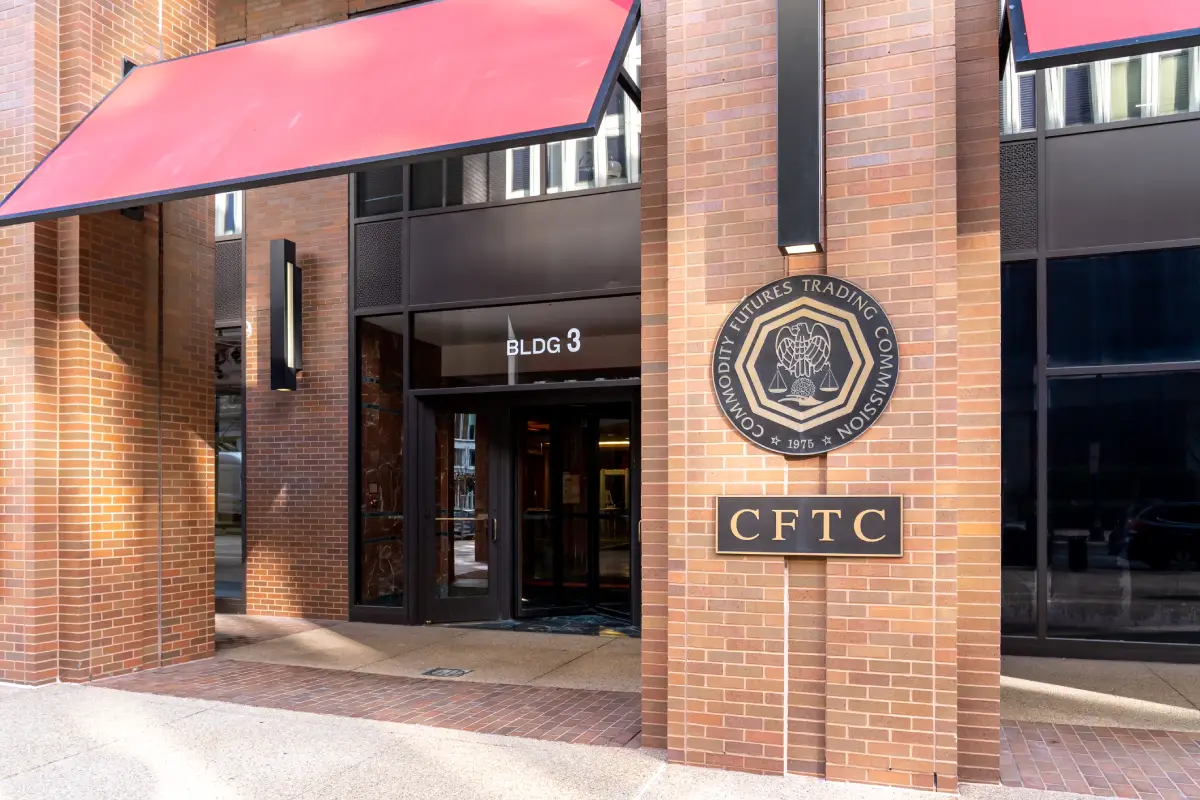
The CFTC has finally begun to indicate the specific issues it plans to address regarding prediction markets.
The Division of Market Oversight (DMO) released an advisory that reminded platforms not to list markets readily susceptible to manipulation, reading in part:
“DCMs are encouraged to consider whether certain categories of event contracts create a heightened potential for manipulation or price distortion. For example, in the context of sports-related event contracts, such contracts could involve those that resolve or settle based on injuries to individual sports participants…as well as contracts that resolve or settle based on the action of a single individual or a small group of individuals…”
The advisory was largely focused on sports contracts, but the same concerns about individuals’ actions resolving markets could apply to markets like mentions. The CFTC will have to decide which characteristics markets easily manipulated have, so it can defend either delisting or protecting those markets.
Former CFTC General Counsel Rob Schwartz interpreted this advisory as the CFTC recognizing that “it may need more information from DCMs than it is currently receiving to evaluate event contracts.”
The CFTC has also released its advance notice of rulemaking and request for comment.
Public comment on prediction markets
The CFTC’s advance notice of rulemaking lists questions regarding various regulations that prediction markets are subject to. Questions include:
- Whether any “aspects of prediction markets” conflict with Core Principle 4, which prevents manipulation on exchanges
- What factors the CFTC should consider in determining whether prediction markets “should be permitted to offer trading on margin”
- How the CFTC should regulate blockchain-based prediction markets
Commenters have 45 days to submit public comments on prediction markets. Whether the feedback the CFTC receives from the public comment period won’t be known until the draft rule is released.
The proposed rule also asked what the scope of “gaming” should be in the agency’s regulation prohibiting contracts on gaming. It comes the same day that Polymarket offered a major olive branch to American sports leagues.
Polymarket partners with Palantir
Polymarket CEO Shayne Coplan announced a partnership with Palantir to improve sports integrity in Polymarket sports markets. Coplan called state-by-state requirements “rudimentary” and “antiquated” on X.
Excited to announce our partnership with @PalantirTech and TWG AI to build the next generation sports integrity platform.
Some color on why this is significant:
Today, in the state-by-state regulatory framework, leagues have limited visibility into what’s happening in their… pic.twitter.com/jh76e5HANF
— Shayne Coplan 🦅 (@shayne_coplan) March 12, 2026
Coplan’s announcement overlaps with the CFTC’s new attention on the sports integrity issues raised in the DMO advisory. Polymarket’s U.S.-facing app still exclusively lists sports contracts.
While Kalshi has made overtures to sports leagues by defending its CFTC-regulated status, Coplan has had to catch up to assure sports leagues that Polymarket can handle sports leagues’ integrity requirements.