
Kalshi, Nadex, & Robinhood Face Ninth Circuit Oral Argument
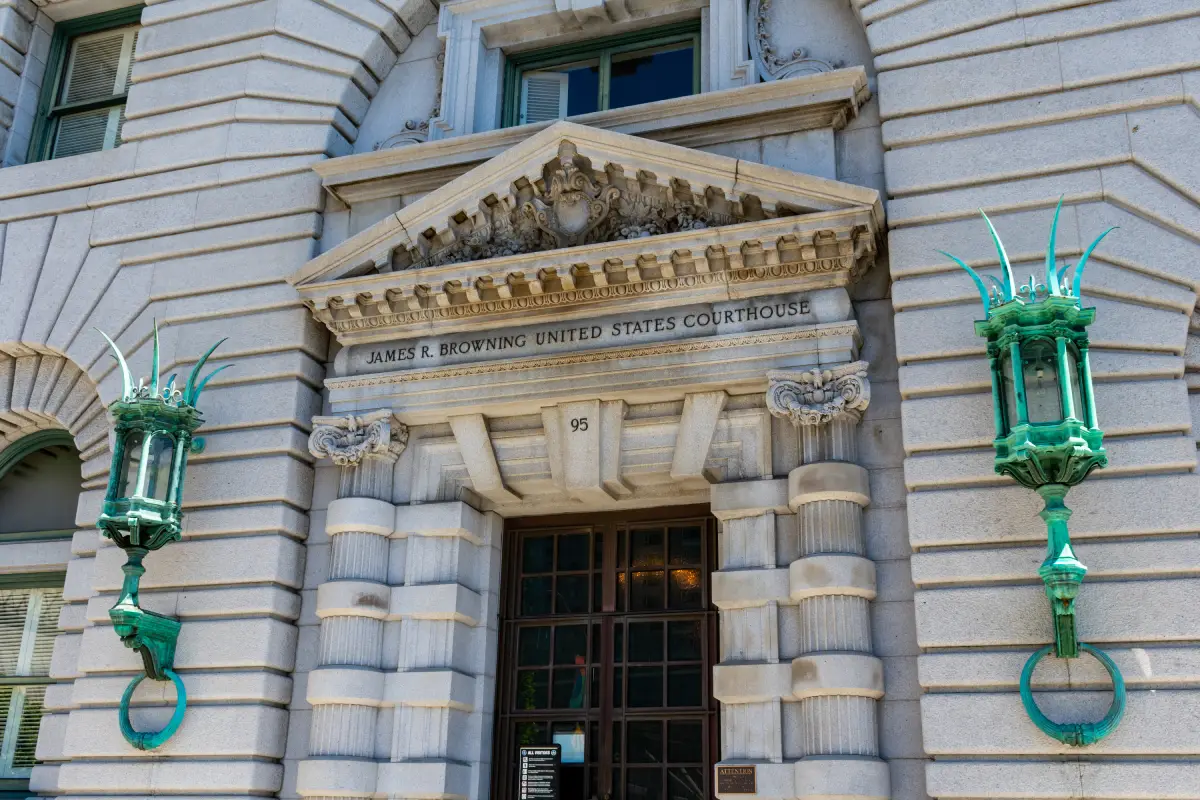
Kalshi, Robinhood, and Nadex faced oral arguments in the Ninth Circuit on Thursday.
Nadex began by arguing that the definition of swaps under Dodd-Frank encompasses a broad range of events. Pressed on why the District Court read it differently, Nadex’s counsel argued that events and their outcomes cannot be considered separately. The Fed meeting or changing rates would both be potential events, even if one of them is an outcome.
Nadex also tried to draw a line between sports contracts and sports wagers by setting swaps apart from sports wagers. The panel was skeptical that the way prices were arrived at or the act of being on the exchange was a meaningful difference between sports contracts and wagers.
Kalshi’s counsel raised concerns about election contracts and the ability of state regulators to directly interfere with what an exchange lists. The panel returned to sports and read the statement from Kalshi’s counsel offering Super Bowl and Master’s contracts in the D.C. District Court case in 2024.
Kalshi’s current counsel argued that the Nevada case did not require the panel to disagree with those examples. Even if sports contracts are considered gaming, the CFTC has allowed them to remain listed.
Robinhood’s counsel ended by arguing that Rule 40.11 was not a prohibition. The panel pushed back and asked for reasons the exchanges and brokers were not legally liable for their self-certifications of enumerated categories. The articulate answer was left for the CFTC.
CFTC arguments
The CFTC’s counsel argued for a split track in which transactions on an exchange are regulated by the CFTC and gambling off exchanges is regulated by states.
The panel then pressed counsel on why Rule 40.11 was not a prohibition. The CFTC’s counsel began by arguing that sports contracts were not “gaming,” an event traditionally found in a casino. He then defended the CFTC’s exclusive jurisdiction over event contracts, but the panel remained skeptical that sports contracts were meaningfully different from gaming.
Nevada arguments
Nevada’s counsel began by arguing that sports contracts were an “intrusion” on traditional state-regulated sports betting. The panel pushed back and asked whether they had to make an “all-or-nothing” determination on event contracts. Counsel argued that the exchanges were eliminating the distinction between
The panel brought up that the Special Rule says the CFTC “may” prohibit contracts covered by the Special Rule. Nevada’s counsel countered that it does not address how the state can regulate sports contracts, though the panel was skeptical that there was room for state preemption of federal regulation.
Nevada’s counsel also argued that when Congress wanted to preempt state gaming law, Congress did so explicitly. She pointed to a carveout in which federal insurance policies preempt state insurance regulations. Nevada’s counsel then went back and forth with the panel, arguing that sports and election contracts lacked the economic consequences necessary to be considered swaps.
Rebuttals and stay motion
The rebuttals from Nadex, Kalshi, and Robinhood:
- Defended the ability of sportsbooks to use exchanges to hedge
- Explained that event contracts are swaps, whether they’re events or their consequences
- Defended the CFTC’s exclusive jurisdiction
Robinhood’s counsel explained that sports contracts on exchanges didn’t affect the way states would regulate gaming, and had a short exchange with the panel on that point.
The panel then moved on to Nevada’s other case against Kalshi. Kalshi is appealing the District Court’s decision to remand Kalshi’s case to state court. Both sides gave their arguments, and the court adjourned.