
ETF Providers Get Renewed Attention Ahead of Political Contracts
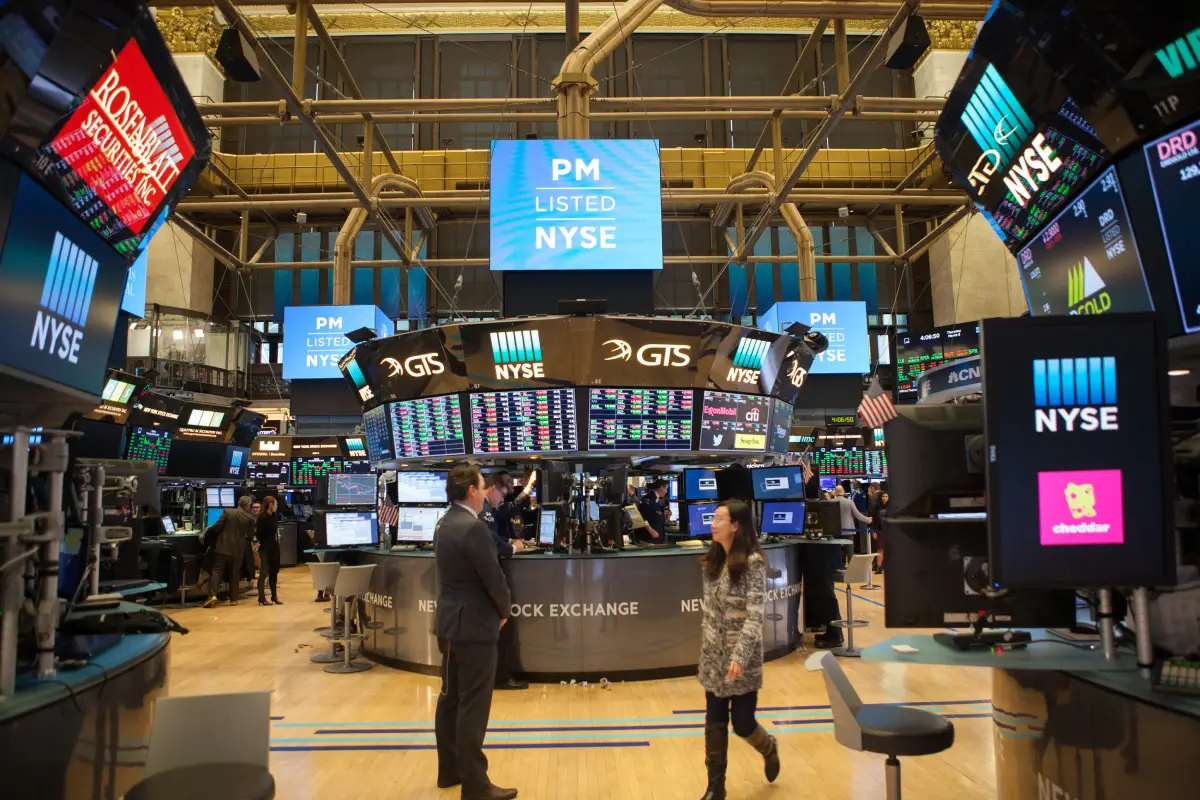
Three ETF issuers have filed to offer ETFs based on event contracts.
Roundhill, Bitwise, and GraniteShares filed to offer ETFs based on event contracts in February 2026.
As CNBC reported, all three companies could make ETFs based on election outcomes available within retirement accounts. These contracts would disclose the binary nature of the “investment.” Traders would be warned that the ETF’s value would go to zero if the opposite outcome occurs.
ETF providers are not alone in trying to cash in on prediction markets. CNBC has a partnership with Kalshi. CNN and Fox News also secured agreements with Kalshi to use the company’s prediction markets alongside certain news stories.
Prediction markets still enjoy the support of CFTC Chairman Michael Selig. Selig’s Friday filings show how aggressively he will defend the growing industry.
CFTC defends prediction markets in New York
On Friday, the CFTC sued New York over its enforcement efforts against prediction markets. The agency also filed an amicus brief in the Massachusetts Supreme Judicial Court, where Kalshi faces a civil case for violating state gaming laws.
“Some states continue to pursue ever-escalating, illegal enforcement actions against CFTC-regulated exchanges, despite rulings from multiple courts halting those efforts,” said Chairman Michael S. Selig in a press release. “Congress has entrusted the CFTC with the sole authority to regulate commodity derivatives markets, including prediction markets.”
The CFTC has also sued Arizona, Connecticut, and Illinois over state actions against prediction markets. State governments have taken issue with sports contracts, which many retail traders have used to bet on sports outcomes, point spreads, and props.
Meanwhile, the CFTC continues to face scrutiny over its permissive approach to prediction markets.
CFTC rulemaking, looming Circuit case
As the CFTC continues its rulemaking process, the next set of tea leaves to watch will be the agency’s responses to comments submitted during the public comment period. These will hold the next set of clues to the specific ways the CFTC could place new limits on the prediction market industry, should Selig choose to.
Kalshi will also face oral arguments in the Fourth Circuit on May 7. It follows the bruising Ninth Circuit argument in which the panel was frustrated by the argument that sports trading avoids conflicts with state gaming laws if the trading is on a federally regulated exchange.
The Fourth Circuit case is Kalshi’s appeal from its preliminary injunction loss in Maryland.